
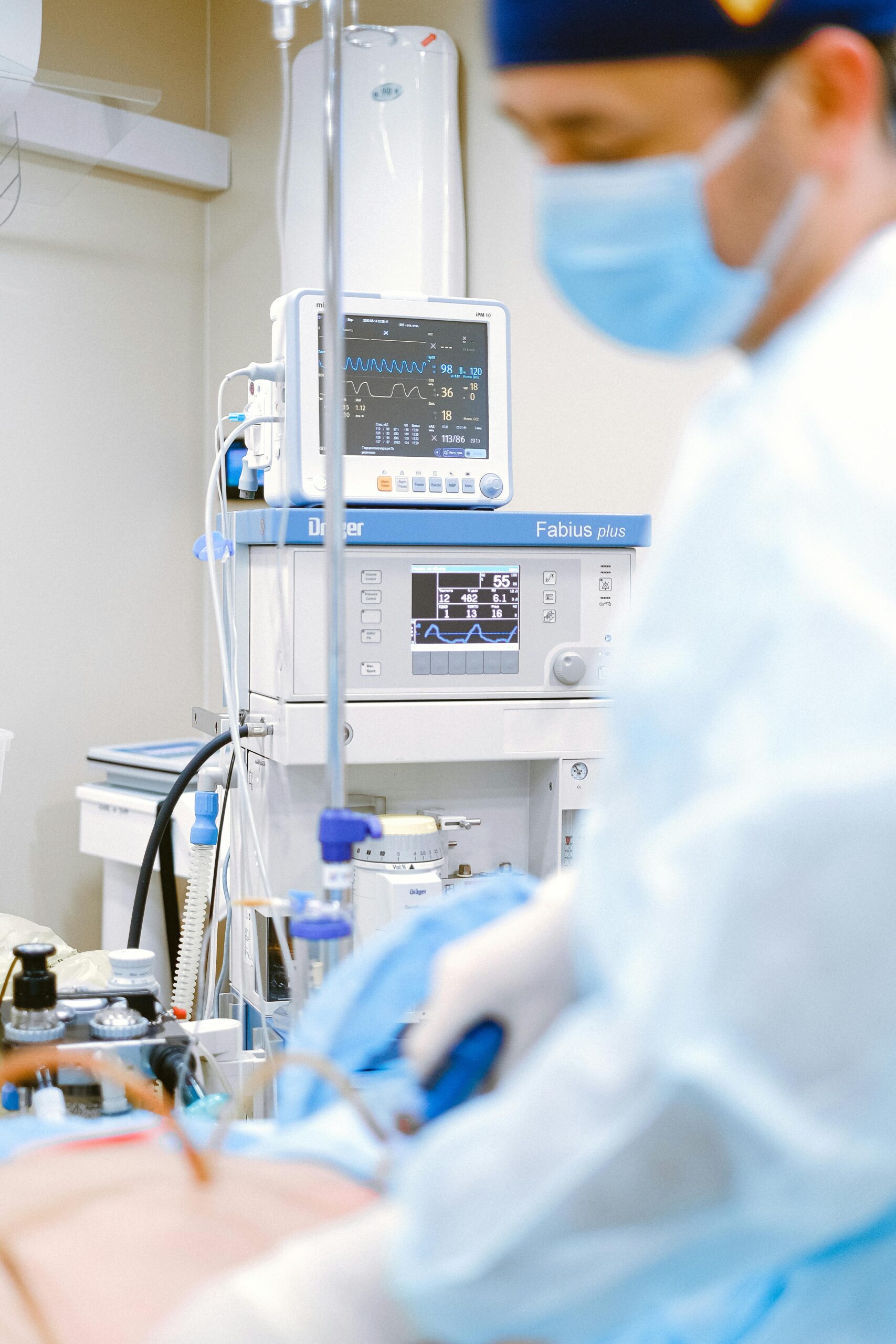
Choosing a career in healthcare can be exciting, stable, and rewarding. One of the most important support roles in hospitals and surgery centers is the anesthesia tech.
A technician plays a key role in patient safety during surgeries and medical procedures. They help anesthesiologists and nurses prepare equipment, monitor patients, and ensure everything runs smoothly in the operating room.
This guide explains everything you need to know about becoming an tech, including job duties, training, salary, work environment, and career growth.
What Is an Anesthesia Tech?
An tech is a trained healthcare professional who assists the anesthesia team before, during, and after surgery. Their job is to prepare anesthesia equipment, help maintain patient safety, and support doctors and nurses.
They work closely with anesthesiologists, nurse anesthetists, and operating room staff.
Anesthesia technicians are also called:
- technologist
- assistant
- Operating room technician
Their role is highly technical and requires strong attention to detail.
What Does an Anesthesia Technician Do?
The daily responsibilities of an anesthesia technician are critical for patient care. Their work begins long before surgery starts and continues even after the procedure is complete.
Main Duties of an Anesthesia Tech
An anesthesia tech typically performs the following tasks:
- Preparing anesthesia machines and equipment
- Setting up monitoring devices
- Checking oxygen systems and ventilators
- Sterilizing and organizing instruments
- Assisting with patient positioning
- Monitoring vital signs during procedures
- Delivering supplies to the operating room
- Cleaning and maintaining anesthesia tools
- Keeping detailed equipment records
They ensure everything is ready so doctors can focus fully on the patient.
Why Is the Anesthesia Tech Role So Important?
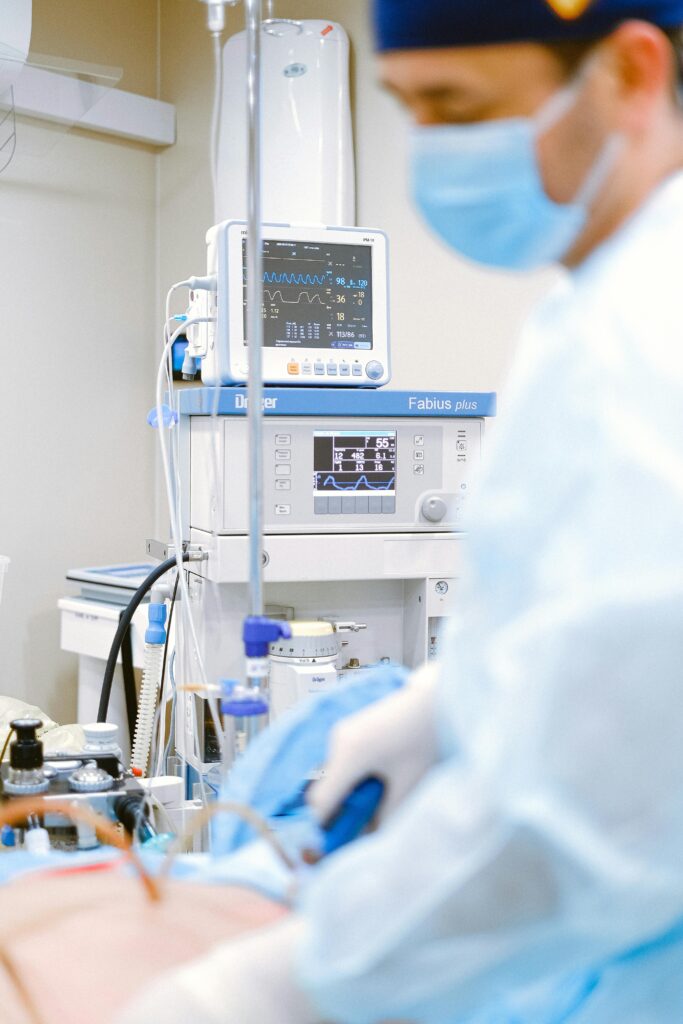
Without technicians, surgeries would be far more dangerous. They protect patients by making sure anesthesia equipment works properly and by catching problems early.
Their work:
- Prevents equipment failure
- Reduces surgical risks
- Improves patient outcomes
- Helps surgical teams work faster and safer
An tech is truly a behind-the-scenes hero of modern healthcare.
How to Become an Anesthesia Technician
Many people search for how to become an technician because it offers a stable healthcare career without medical school.
Here is the step-by-step path.
Step 1: Earn a High School Diploma
You must complete high school or earn a GED.
Helpful classes include:
- Biology
- Chemistry
- Math
- Health sciences
Strong communication skills are also important.
Step 2: Complete an Anesthesia Technician Program
Next, enroll in an accredited technician training program. These programs usually take:
- 12–24 months for a certificate
- 2 years for an associate degree
Courses often include:
- Anatomy and physiology
- Medical terminology
- Anesthesia equipment
- Pharmacology basics
- Patient monitoring
- Infection control
- Clinical practice
Most programs include hands-on clinical training inside hospitals.
Step 3: Gain Certification
Certification is not always required, but it greatly improves job prospects.
Common certifications:
- Certified Technician (Cer.A.T.)
- Certified Technologist (Cer.A.T.T.)
These credentials are offered by professional healthcare organizations.
Step 4: Apply for Jobs
Once training and certification are complete, you can apply for tech jobs in hospitals, surgery centers, and clinics.
How Long Does It Take to Become an Anesthesia Technician?
The full process usually takes 1–3 years, depending on your education path.
- Certificate program: 12–18 months
- Associate degree: 2 years
- Certification preparation: a few months
This makes it one of the faster healthcare careers to enter.
Anesthesia Tech Salary: How Much Do They Make?
The anesthesia tech salary is attractive and stable.
Average Technician Salary
In the United States, the average salary for an technician is:
- $45,000 to $65,000 per year
Entry-level positions often start around $38,000, while experienced professionals can earn $70,000+ annually.
Salary Factors
Pay depends on:
- Location
- Experience level
- Education
- Certifications
- Type of employer
Large hospitals and specialized surgery centers usually pay the most.
Where Do Anesthesia Technicians Work?
An tech can work in many healthcare settings.
Common workplaces include:
- Hospitals
- Outpatient surgery centers
- Emergency rooms
- Dental clinics
- Pain management centers
- Military hospitals
- Teaching hospitals
They usually work in operating rooms or procedure suites.
Work Schedule and Environment
Most technicians work full-time.
Schedules may include:
- Day shifts
- Evening shifts
- Overnight shifts
- Weekends
- On-call hours
The work environment is fast-paced and requires long periods of standing and focus.
Skills Needed to Succeed as an Anesthesia Tech
To succeed in this career, an technician needs both technical and personal skills.
Important Skills
- Strong attention to detail
- Good communication
- Ability to stay calm under pressure
- Physical stamina
- Organization
- Teamwork
- Problem-solving skills
Because patient safety depends on accuracy, small mistakes are not acceptable.
Career Growth and Advancement
The anesthesia tech career offers strong long-term growth.
With experience, technicians may advance into:
- Anes technologist
- Surgical services management
- Clinical educator roles
- Healthcare administration
- Nursing or advanced medical careers
Some technicians later pursue nursing, respiratory therapy, or anesthesia provider careers.
Job Outlook for Anesthesia Technicians
The job outlook for anesthesia technicians is very positive.
As the population ages and surgeries increase, hospitals continue to need skilled anesthesia support staff.
Healthcare remains one of the fastest-growing industries in the world.
Pros and Cons of Being an Anesthesia Technician
Pros
- Strong job security
- Good salary potential
- Fast training time
- Hands-on medical work
- High demand nationwide
- Clear career path
Cons
- High responsibility
- Long hours
- Stressful situations
- Physical demands
- Exposure to medical environments
For many, the benefits greatly outweigh the challenges.
Is Anesthesia Tech a Good Career Choice?
Yes, becoming an anesthesia technician is an excellent career choice for people who want to enter healthcare quickly while earning a solid income.
It offers:
- Financial stability
- Professional respect
- Strong job growth
- Opportunities for advancement
Final Thoughts
The anesthesia tech profession plays a life-saving role in modern medicine.
An anesthesia technician works behind the scenes to protect patients, support doctors, and keep surgeries safe.
If you are interested in healthcare, enjoy technical work, and want a career with strong job security, learning how to become an anesthesia technician could be the perfect path for you.
This field offers stability, purpose, and the chance to make a real difference in people’s lives every single day.